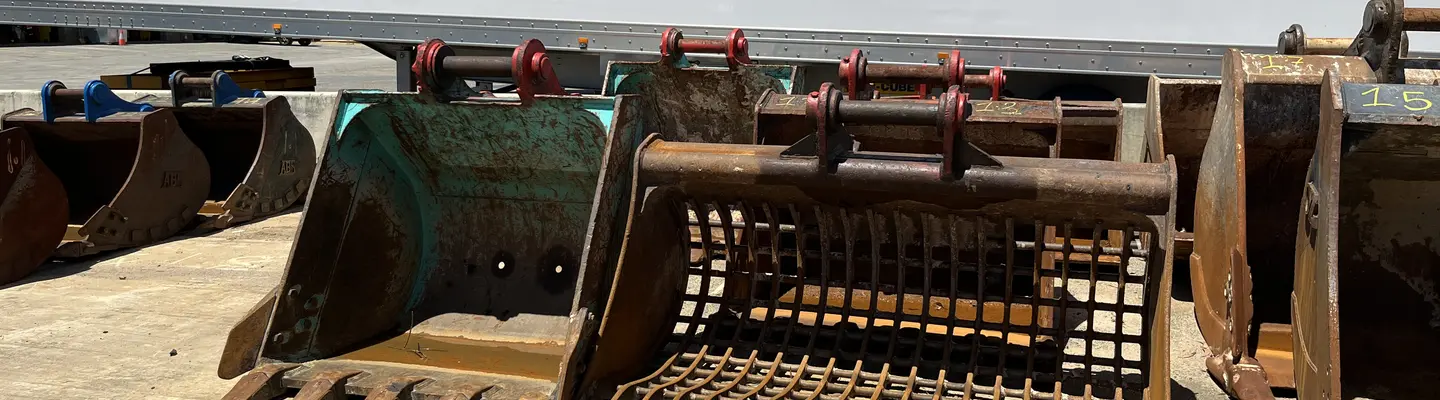
Excavators do a lot of heavy lifting on any worksite - but it’s the attachments that make them truly versatile. The right tool can turn a single machine into a trench digger, rock breaker, demolition tool, or compactor, depending on what the job demands.
At United Rentals, we’ve built one of the largest fleets of excavator attachments for dry hire in Australia. Our goal is simple: to help contractors, builders, and site managers get more out of their machines while keeping projects running efficiently and safely.
Let’s break down the main types of excavator attachments, what they’re used for, and how to choose the right one for your next project.
1. Buckets, Tilts and Sieves
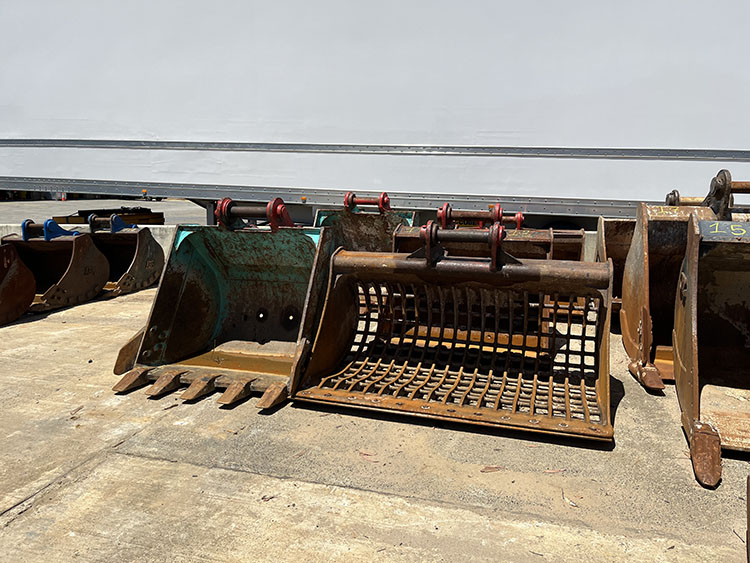
If there’s one attachment you’ll find on almost every site, it’s the bucket. It’s the workhorse of excavation - but not all buckets do the same job.
- Tilt Buckets allow for precision shaping and grading, giving operators more control when working on slopes, verges, or fine finishing work.
- Sieve Buckets are perfect when you need to separate materials, letting soil or sand fall through while retaining rock or debris.
Best for: General earthworks, landscaping, and material sorting.
2. Rock Breakers
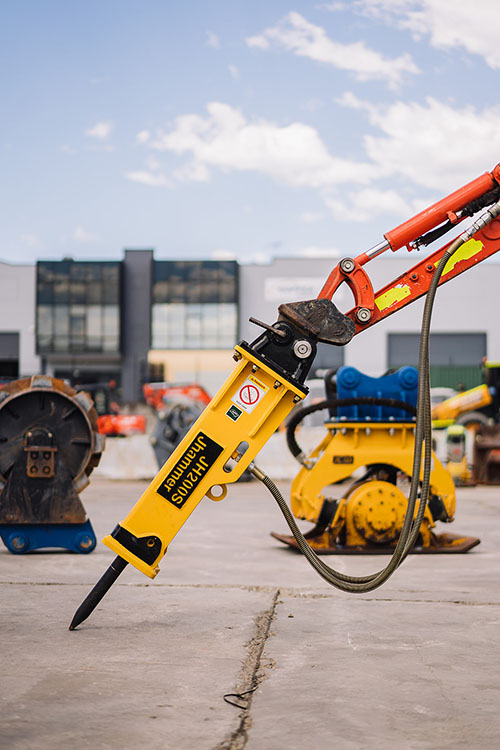
Hard ground or reinforced concrete can slow down a job fast. That’s where rock breakers come in. These powerful hydraulic hammers are built to take on tough materials, reducing larger rocks and concrete into manageable pieces.
Best for: Civil works, demolition, quarrying, and trenching in rocky conditions.
3. Hydraulic and Manual Grabs
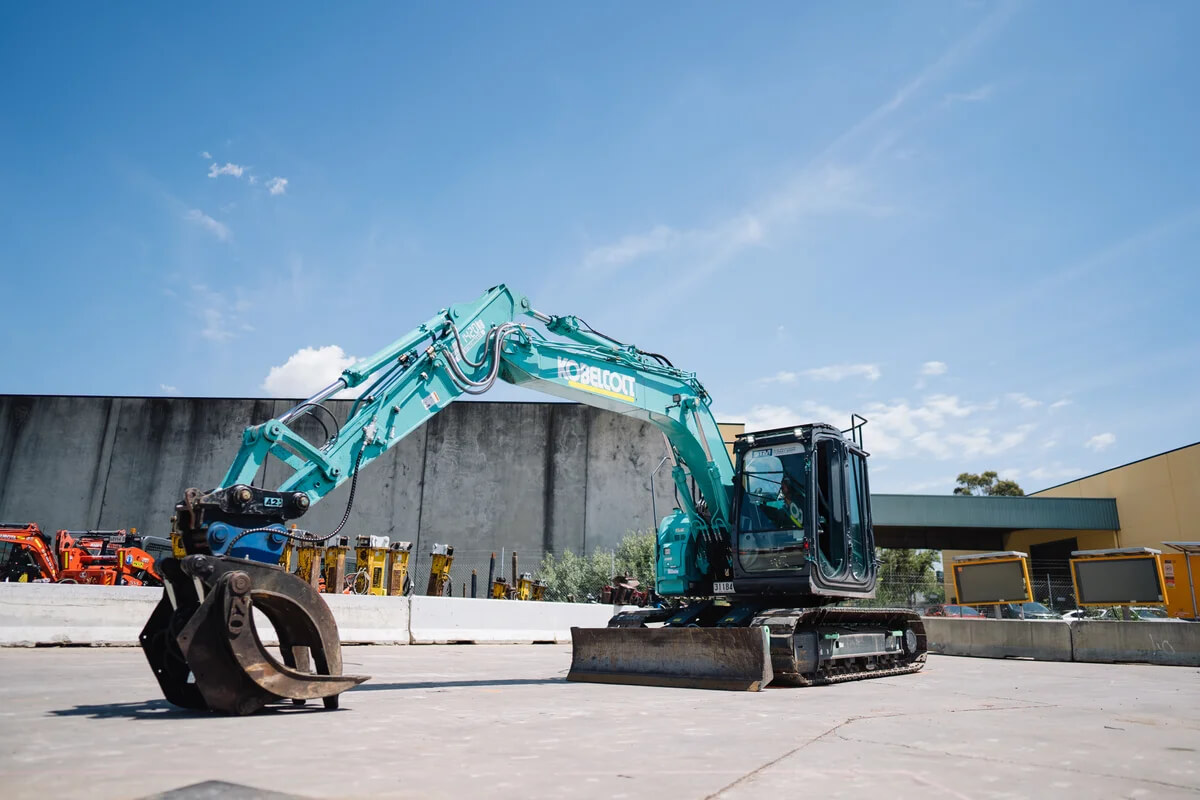
When it comes to lifting, sorting, and placing irregular materials, grabs are a reliable and efficient solution. Designed to securely grip awkward or bulky items, they improve safety on site while reducing manual handling.
Manual Grabs are a simple, cost-effective option, ideal for basic lifting and placement tasks where precision movement isn’t critical. This attachment is well-suited to smaller jobs or sites with limited hydraulic capability.
Hydraulic Grabs provide greater control and efficiency, allowing the operator to open and close the grab from the cab. This makes them ideal for higher-volume work or environments where speed, accuracy, and operator safety are key.
Best for: Demolition, recycling, landscaping, log handling, pipe placement, and general material handling.
4. Rotating Grabs and Multi-Grab Buckets
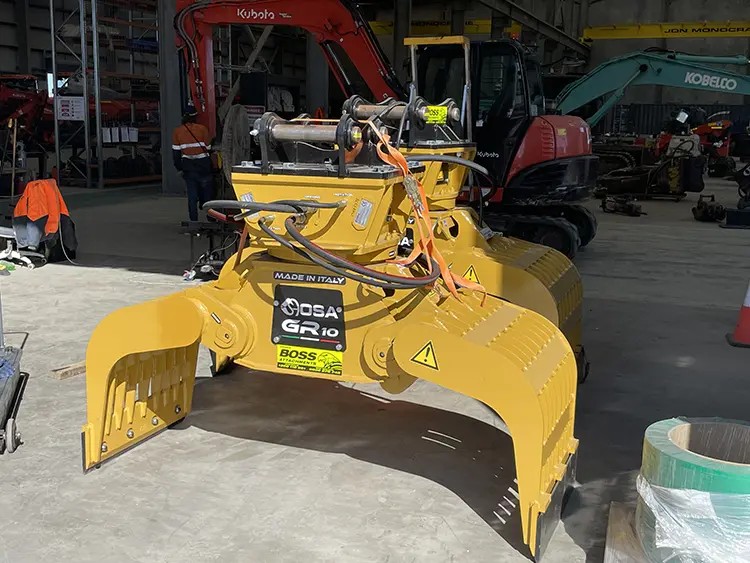
For even greater versatility, rotating grabs and multi-grab buckets take material handling to the next level. These attachments allow operators to rotate materials with precision, reducing the need for machine repositioning and improving productivity on complex sites.
Rotating Grabs enable 360-degree movement, making it easier to accurately place materials in tight or confined spaces. They’re especially valuable in demolition and recycling, where sorting and positioning materials quickly is essential.
Multi-Grab Buckets combine the digging capability of a bucket with the gripping function of a grab. This dual-purpose design allows operators to dig, grab, sort, and load without changing attachments - saving time and minimising downtime on busy jobsites.
Best for: Demolition, recycling facilities, bulk material sorting, waste handling, and multi-task civil and construction projects.
5. Auger Drives and Drills
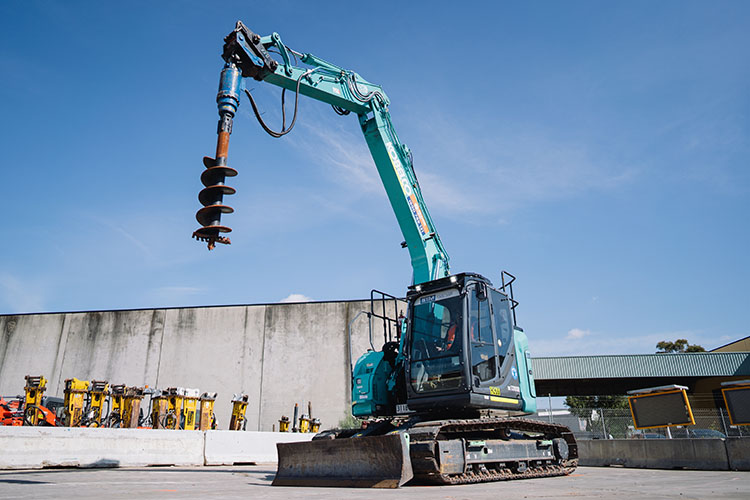
If your job involves drilling holes for piers, posts, or foundations, auger drives are essential. Available in different diameters and lengths, they make light work of drilling into soil, clay, or even soft rock.
Best for: Fencing, retaining walls, landscaping, and civil construction.
6. Rippers
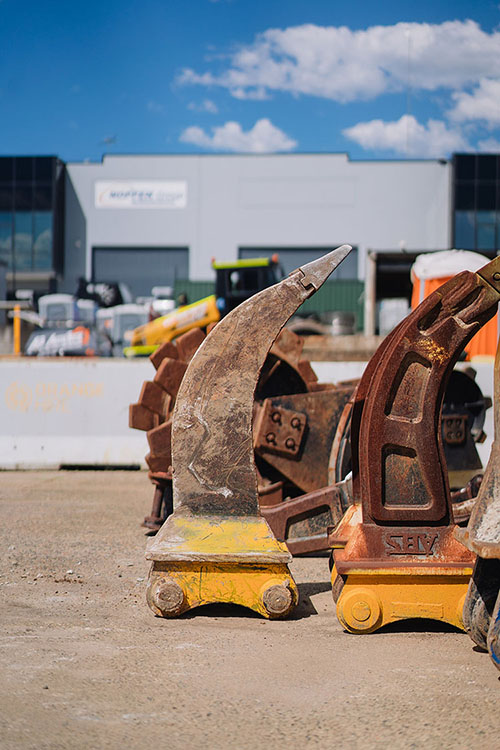
When soil is compacted or rocky, a ripper is used to loosen the ground before digging. It helps improve efficiency and protects your bucket from unnecessary strain.
Best for: Pre-excavation soil conditioning, trenching, and breaking up hard surfaces.
7. Compaction Attachments
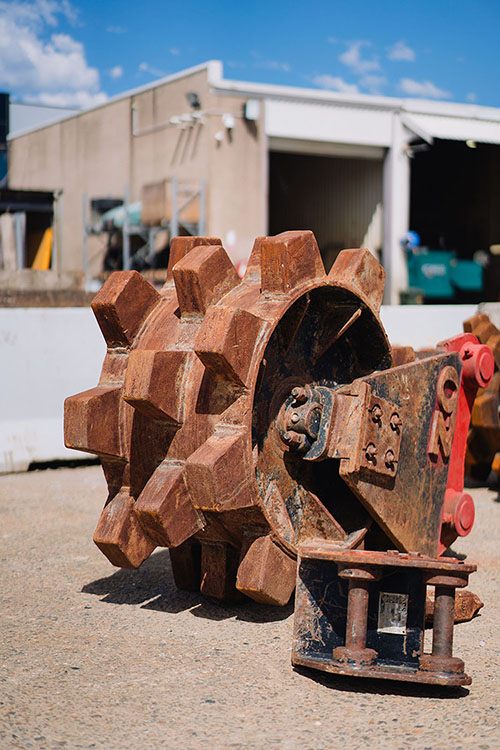
After the digging is done, it’s time to stabilise. Compaction plates and wheels allow your excavator to double as a compactor - ideal for tight spaces or trench backfilling where rollers can’t reach.
Best for: Trench compaction, road preparation, and backfilling.
8. Pulverisers
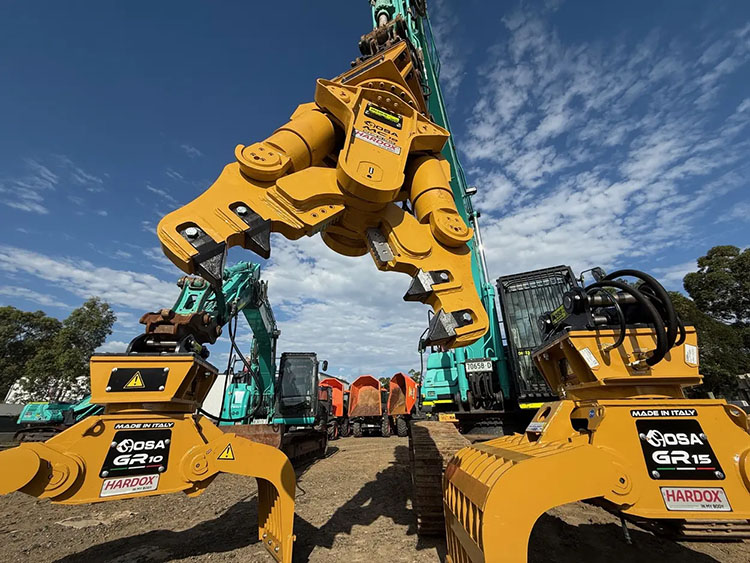
When it comes to demolition and recycling, a pulveriser helps crush concrete and separate steel reinforcement for reuse. They save time on-site and help reduce waste sent to landfill.
Best for: Concrete demolition and recycling applications.
9. Barrier Grabs
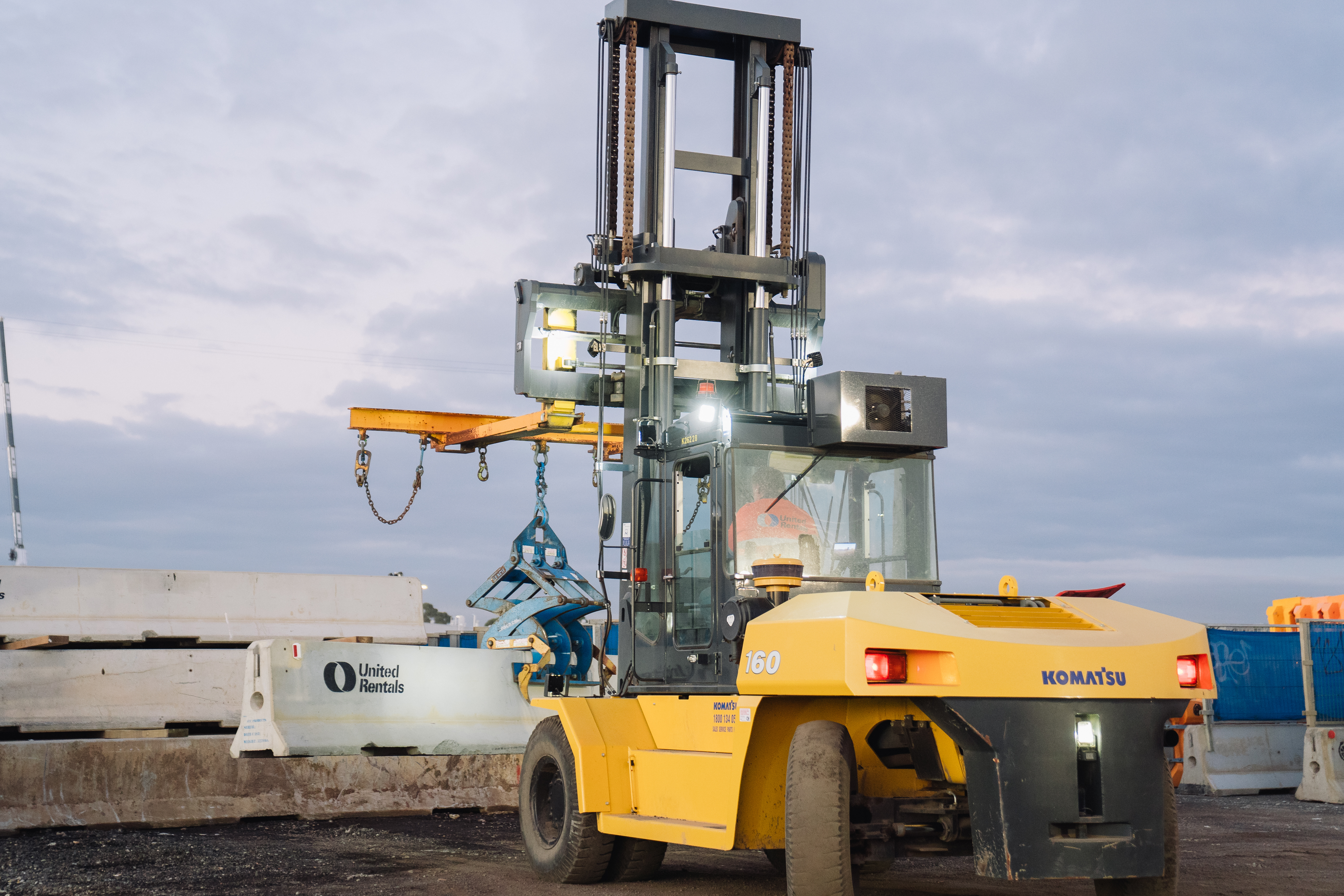
For roadwork or event setup, barrier grabs make it quick and safe to move heavy barriers and blocks. They reduce manual handling risks and speed up installation time.
Best for: Road safety setup, infrastructure works, and site logistics.
Why Hire Excavator Attachments?
Owning multiple attachments can be costly, especially when every project demands something different. Hiring gives you flexibility - access to the right tool when you need it, without theoverheads.
At United Rentals, all our excavator attachments are maintained to Australian Safety Standards, supplied with risk assessments, and ready to fit most machine types. Whether you’re using your own excavator or one of ours, we’ll make sure everything works seamlessly on-site.
The United Rentals Advantage
When you hire from United Rentals, you’re backed by:
- One of Australia’s largest fleets of excavator attachments
- Expert advice to help match the right attachment to your task
- Regularly serviced and safety-compliant equipment
- Short and long-term hire options
- Quick delivery and responsive support
Get More Out of Your Machine
Every project is different - and the right attachment can make all the difference. From rock breakers and tilt buckets to pulverisers and auger drives, United Rentals has the tools to help you dig, break, compact, and shape with confidence.
For more information about our complete range of shoring services and equipment, visit your nearest branch, email [email protected], or call our friendly team of experts at 1800 UR HIRE.
 Facebook
 X
 Linkedin
 Email
 Print
 Copy Link
 RSS Feed